
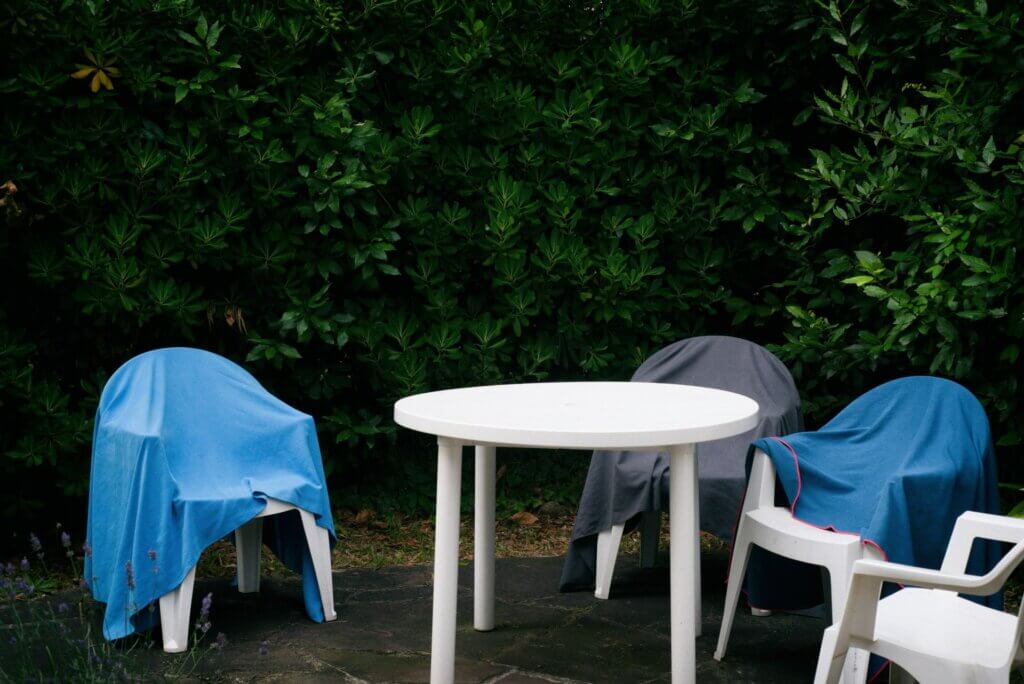
It’s indeed time return to work. Have you got some colour? Absenteeism has too. In 2024, it is set to break its record, reaching 5.8% in the French private sector.*
Absenteeism is a repeatedly empty chair. To better understand it, some people refer to colours: “white” absenteeism or classic sick leave, “black” or unjustified absenteeism, the “grey” one is between discomfort and tension at work, and the “pink” one corresponds to the situation when the employee is present but not really operational.
Behind this colour chart, white remains in the lead with 40% of cases. But just behind, grey is growing rapidly: psychological disorders now account for 22% of sick leave. On this issue, employees under 30 are particularly affected: nearly a quarter of them had at least one period of sick leave for this reason in 2024, an increase of six percentage points since 2019.
The total cost of this phenomenon is estimated at €4,000 per employee per year on average***. It is not surprising that 49% of HR professionals consider absenteeism among their biggest challenges, just behind recruitment…
What about the law? Employees have 48 hours to justify their absence, particularly in the case of sick leave. After this period, the employer must issue a formal notice before considering disciplinary action or dismissal. It should be noted that since April 2023, the law has established a specific procedure for known as presumed resignation against absent employees who do not provide any justification (Art. L.1237-1-1, Labour Code). If the employee does not return to work under the conditions specified by the employer, such abandonment is considered a resignation.
Absenteeism is not just a number: it is also a performance indicator for the company. So, before considering sanctions, it is better to focus on listening, prevention and an engaging work environment.
ærige is here…to help!