
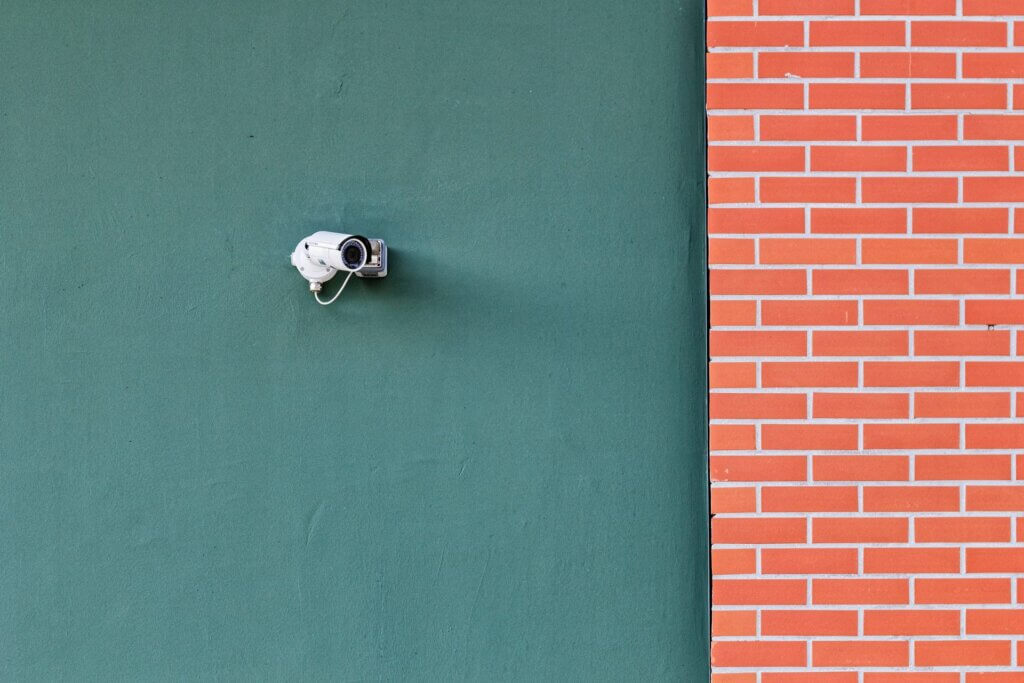
The French comedy series from the 2000s, “Caméra Café,” is coming back to our screens! A camera fixed to the coffee machine and an entire office passing by: a comical and scathing chronicle of the world of work. In real life, this setting requires a completely different approach, especially on the employer’s side.
Implementing video surveillance in the workplace cannot be improvised. According to Article L.1121-1 of the French Labor Code, any control equipment or tool must be justified by the nature of the task and proportionate to its objective. Securing sensitive access, yes; continuously filming an employee, no.
The scope is therefore limited: entrances, exits, and high-risk areas. No fixed shots of break rooms or workstations. In 2024, the French data protection authority (“CNIL”) sanctioned a company which combined video surveillance with computer screenshots…
Indeed, in this area, respect for the privacy (Article 9 of the Civil Code) of employees remains at the heart of the scenario. On another level, Article 226-1 of the French Penal Code punishes the recording of people without their consent in a private place (one year’s imprisonment and a fine of €45,000).
Before any installation, the works council must be consulted, employees informed, and the GDPR followed: processing register, limited retention period, secure access and, depending on the case, appointment of a data protection officer or DPO. In short, if the camera is rolling, the law has the final say.
To avoid any jump cut,