
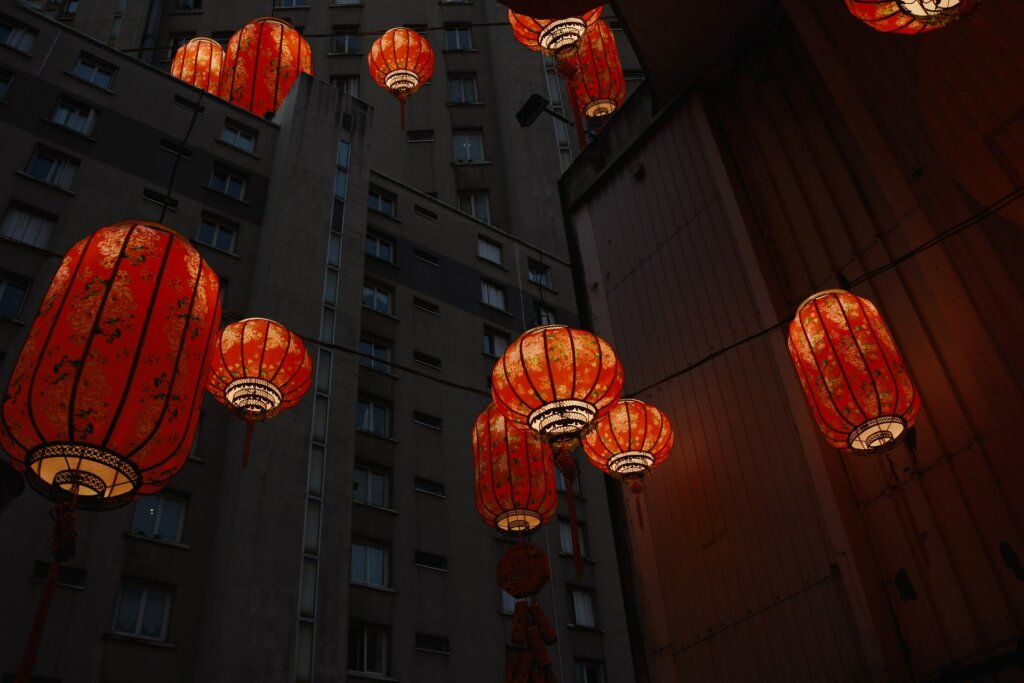
Twenty minutes and you’re back in business! In China, the midday nap 午睡觉 (wǔ shuìjiào) is an institution. So much so that it is implicitly enshrined in Article 43 of the Chinese Constitution.
From government offices to businesses, from employees to CEOs, sleeping after lunch is not a luxury or a sign of demotivation. It is an accepted right, directly linked to working hours—the day often starts at 7 a.m.—and a different approach to the work/rest balance.
The benefits of this post-lunch break are indeed well documented: improved concentration, reduced stress, and increased productivity in the afternoon. A well-timed micro-nap can even reduce cardiovascular risks and accidents related to fatigue.
So should we import the Chinese model? In 2024, Chinese workers worked an average of 49 hours per week. This average is part of a recent history marked, in some sectors, by the “996” culture—working from 9 a.m. to 9 p.m., six days a week—meaning weeks of up to 72 hours. In such a schedule, taking a nap is less a matter of comfort than of regulation.
In France, a twenty-minute break is mandatory after six consecutive hours of work. For the rest, it all depends on the corporate culture (and the level of fatigue of each individual).
Before concluding, at a time when everything seems to be moving so fast, here’s a proverb to think about:
“It doesn’t matter how slowly you go, as long as you don’t stop.” Confucius
Sure, close your eyes. But never turn a blind eye to the law.
ærige is watching!